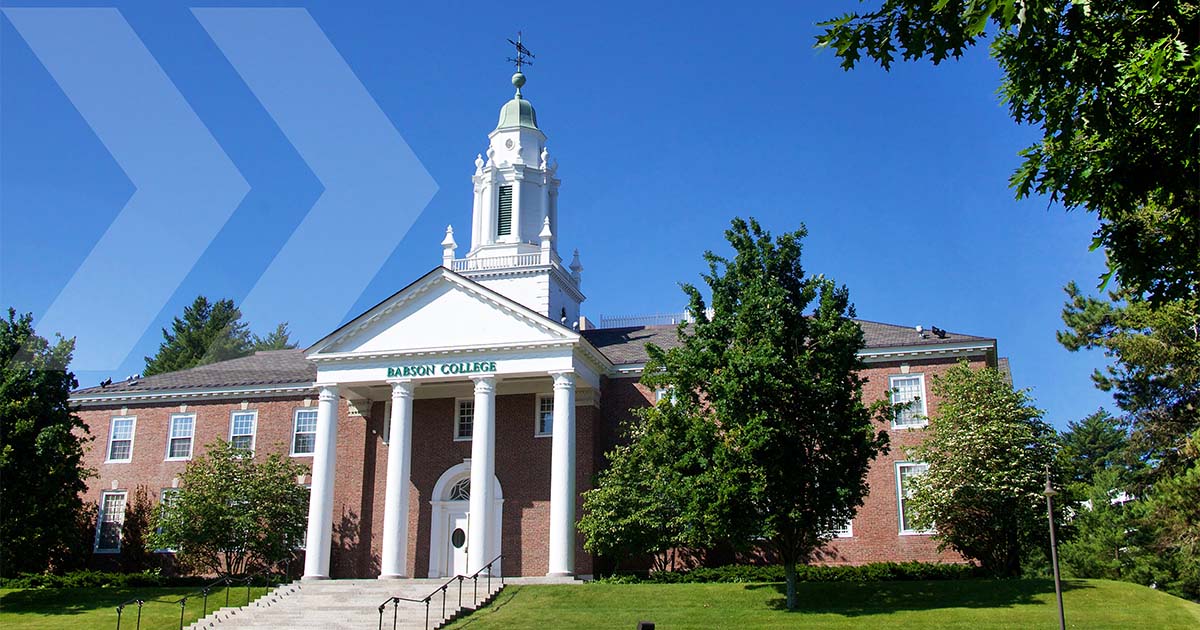
How Mock Boards Are Sharpening Student Startups at Babson

The rise of artificial intelligence can be a little tricky for a startup.
Yes, AI certainly opens up new business opportunities, and it can be an effective tool to help build a venture. But as potent as it is, it’s also popular. Very popular. Startups with an AI-first message to potential investors and customers may find sticking out from the crowd to be difficult.
“Don’t lead with AI,” says Will Robinson, the founder of Deep River Strategy, a management consulting firm. “You won’t get noticed. Everyone is leading with AI.”
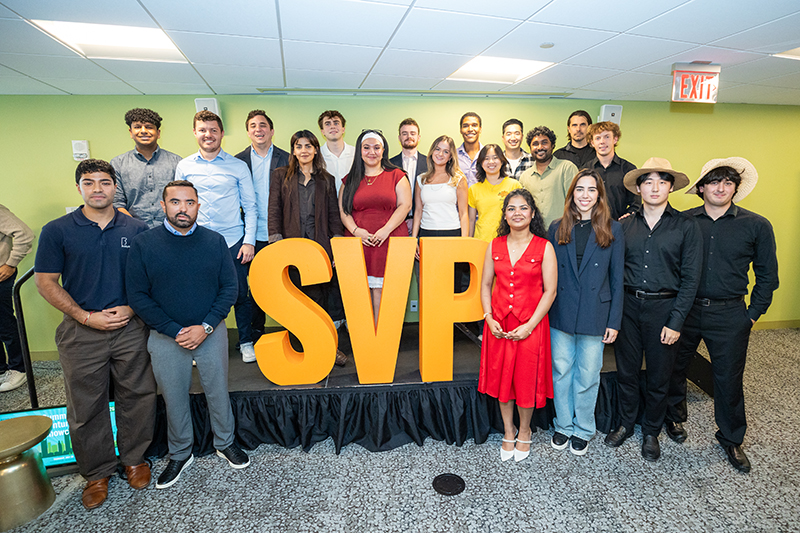
Robinson was on hand this summer at Babson as part of a new initiative for the College’s Summer Venture Program (SVP), an accelerator run by the Arthur M. Blank Center for Entrepreneurship. During SVP, teams of undergraduate and graduate students work on Babson’s Wellesley and Boston campuses to hone their startups for 10 weeks.
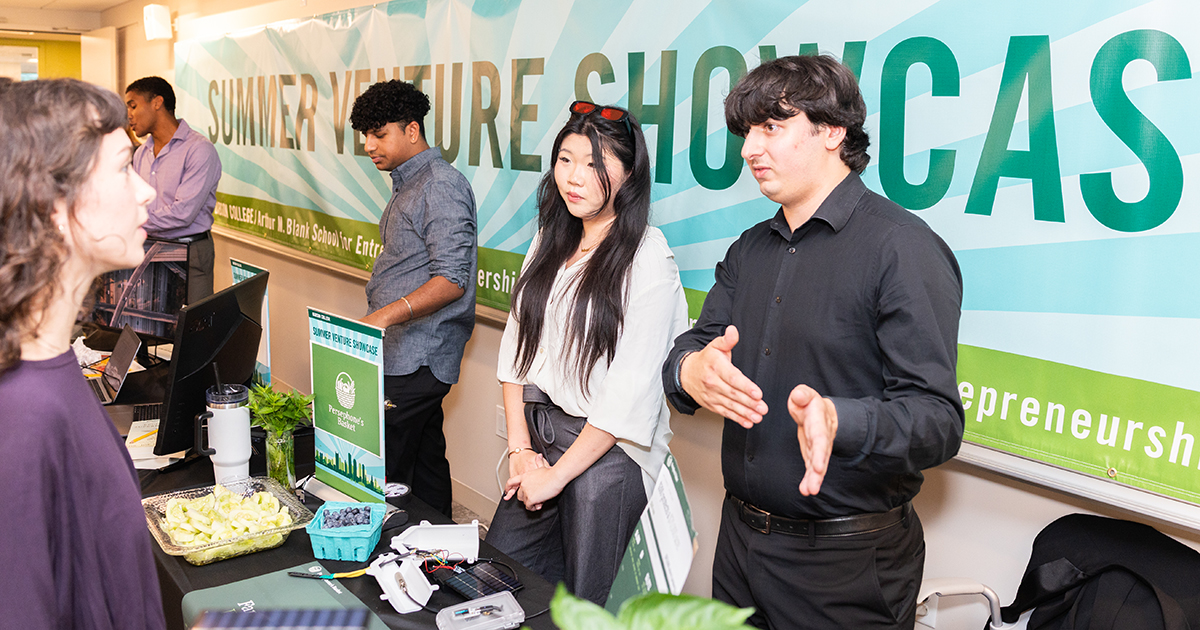
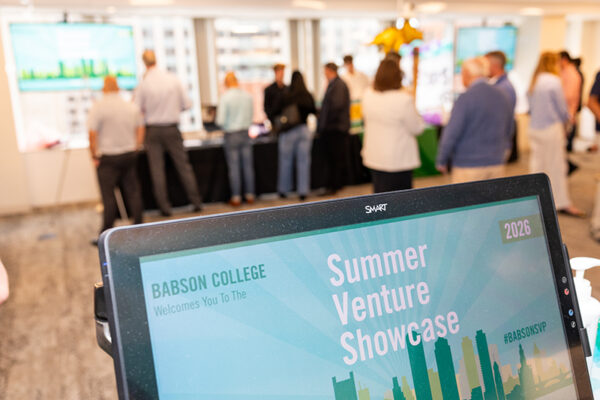
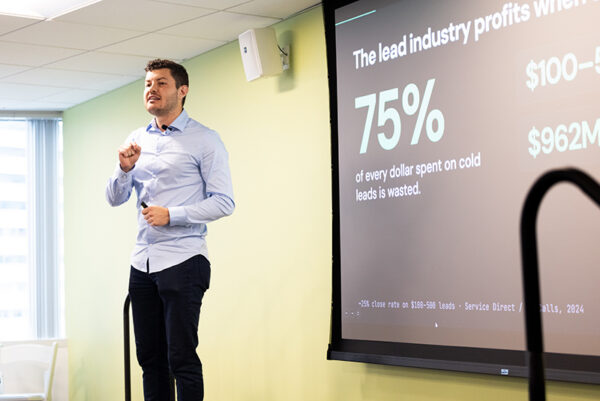
Last week, this year’s edition of the SVP came to a close as it traditionally does with the Summer Venture Showcase, in which students pitch their ventures to the local startup and College communities. This was the 18th year for SVP, and this summer it featured a new addition: mock boards. Robinson was one of 55 advisors who were assigned to boards for each of this summer’s 13 SVP startups. Those advisors offered their thoughts on everything from tech to leadership to marketing to whatever else was on the minds of entrepreneurs.
“They acted as an informal board of advisors, serving as sounding boards, sharing feedback, and pressure-testing assumptions,” says Alexandra Dunk MBA’22, senior associate director of the Blank Center.
The board members came from diverse backgrounds and included founders, angel investors, and C-level executives from a variety of industries. In short, they were people with experience who were willing to share what they know.
They were people like Robinson. “Any way people can be smarter and build more successful companies, I want to help,” he says. When Robinson tells young entrepreneurs of the noise and hype that can surround new technology, he knows of what he speaks. “They have not lived through the tech bubbles I have lived through,” he says.
Just-in-Time Feedback
Dunk says the mock boards reinforce what has long been an SVP mission, which is to give just-in-time feedback to participating student ventures. The Blank Center recruited mock board members from across the Babson community, including parents of students, entrepreneurs who have previously worked with the center, and alumni of past SVP cohorts.
Nathalya Mamane MBA’21 is one of those SVP alumni. Five summers ago, she took part in Summer Catalyst, an accelerator program that basically served as an online version of SVP during the pandemic. That summer in 2021 proved meaningful for Mamane. She was building a startup focused on at-home diagnostic testing, an idea she’s still pursuing five years later with her current venture, Anywhere Dx.
When she was asked to join a mock board, Mamane was happy to say yes. She knows firsthand the value for student entrepreneurs of talking with professionals who have lived through what they are trying to do. “I believe in giving my time,” Mamane says. “I believe in helping students.”
Nicholas Gallagher MBA’22 was another mock board member. “Joining the mock board was a no brainer,” Gallagher says. “I love Babson and being around students. The energy is unmatched.” While he serves as an adjunct lecturer of marketing at Babson, Gallagher says the mock board offered him a different type of teaching experience. “This allowed me to tap into the coaching part of educating,” he says.
Gallagher and Robinson both served as mock board members to Go Revo, a venture seeking to help home service providers, such as roofers, plumbers, or HVAC technicians, with the ongoing challenge of finding customers.
When speaking with young entrepreneurs, such as those with Go Revo, Robinson wants to be direct. He doesn’t waste time with platitudes or false hopes. “The stakes are high,” he says. “If I can get them to start off on the right foot, I am going to take my shot.”
The right advice can alter the course of a startup early on, when making change is easier to do. “When you are starting out, you have leverage and degrees of freedom,” Robinson says. “Everything is white space.”
Expertise and Relationships
This is true for Go Revo, which like many early-stage startups, has already made a critical pivot. At first, it focused on home service providers’ online presences, seeking to make sure they’re properly optimized for search by generative artificial intelligence tools such as ChatGPT. Later, realizing how tricky AI search optimization is, not to mention how tech giants are already crowding the space, the Go Revo team decided to use AI in a different way.
Now, Go Revo aims to help home service providers by targeting former customers, with AI identifying those who may need future services. When they first met with the Go Revo team, the mock board members applauded this pivot. Focusing on AI search would have been too difficult. “You’re putting yourself against the best minds on the planet,” Robinson says.
“They acted as an informal board of advisors, serving as sounding boards, sharing feedback, and pressure-testing assumptions.”
Alexandra Dunk MBA’22, senior associate director of the Blank Center
The four entrepreneurs behind Go Revo—Roberto Castro MBA’28, Alejandro Mejia Nauffal MBA’27, Nicolas Munoz MBA’26, and Rodrigo Vogeler MBA’27—found the mock board’s feedback helpful. “Working with a mock board,” Mejia Nauffal says, “was a great way to cut through the noise and get external perspectives from industry leaders on what to prioritize and focus on for our company.”
Vogeler was grateful for the mock board’s expertise. “To gather such industry experts and accomplished entrepreneurs,” he says, “and have them stress test our product, challenge our assumptions, discuss ideas, and advise us has allowed us to move forward at an unprecedented pace.”
One of the goals of SVP is to help entrepreneurs build relationships with advisors and experts over time, Dunk says. An example of that is Gallagher, who plans to stay connected to Go Revo. Outside of his work at Babson, he’s a regional account manager for a building products company, so he can offer insights on the home service providers Go Revo is trying to reach.
“They have asked me to stay on as an advisor so hopefully I can continue to provide value to them,” Gallagher says.
Check out more photos from the Summer Venture Showcase:
(Photo: Nic Czarnecki/Babson) 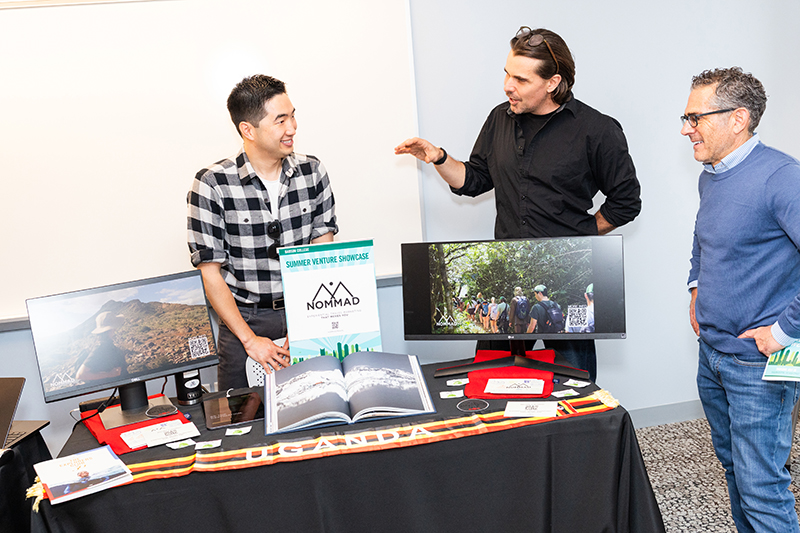
(Photo: Nic Czarnecki/Babson) 
(Photo: Nic Czarnecki/Babson) 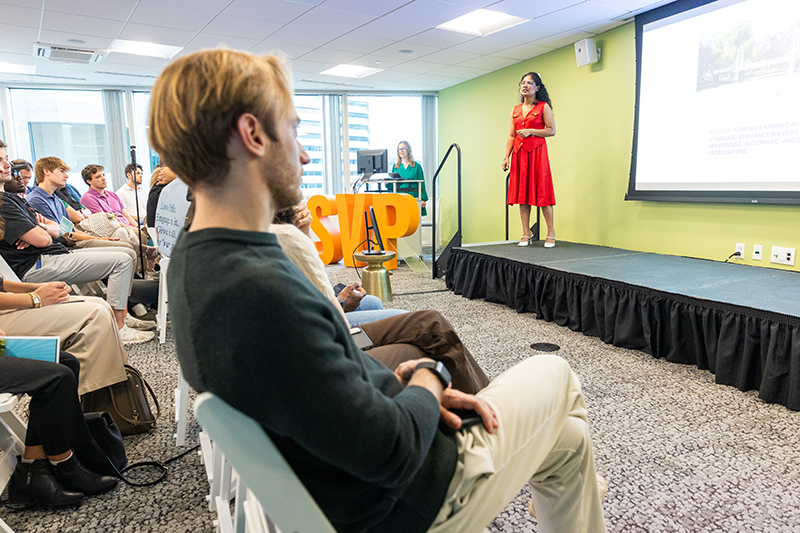
(Photo: Nic Czarnecki/Babson) 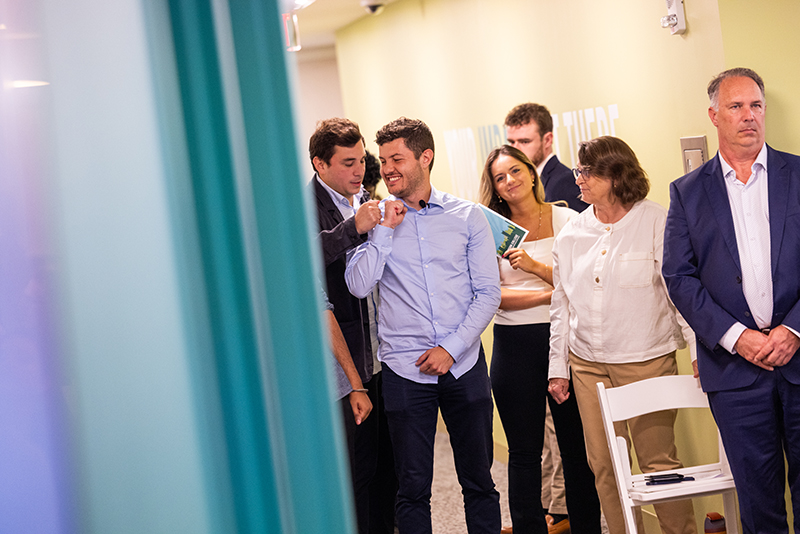
(Photo: Nic Czarnecki/Babson) 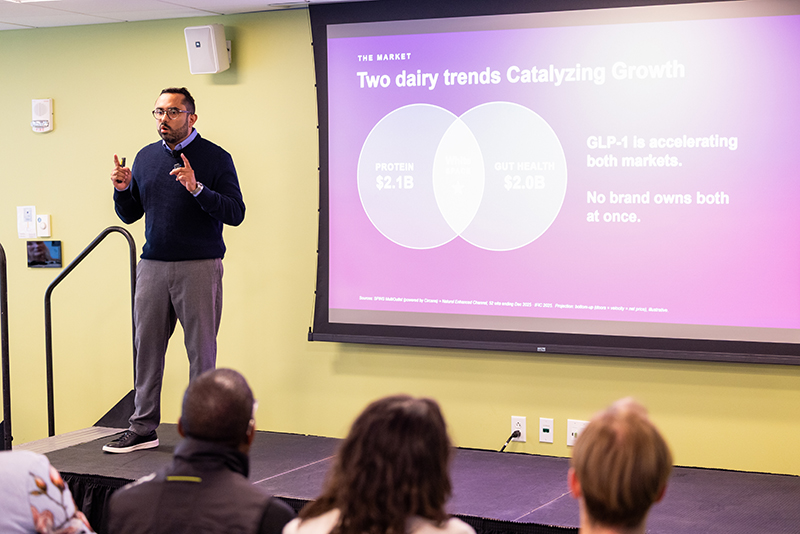
(Photo: Nic Czarnecki/Babson) 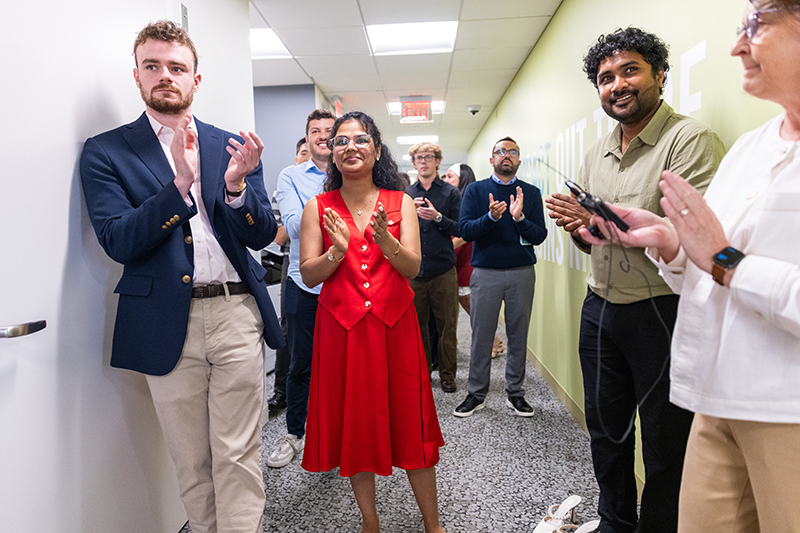
(Photo: Nic Czarnecki/Babson) 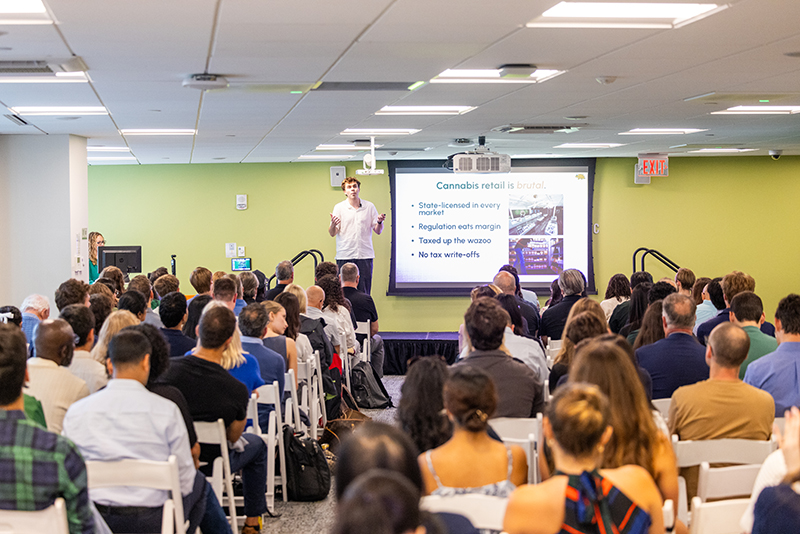
(Photo: Nic Czarnecki/Babson) 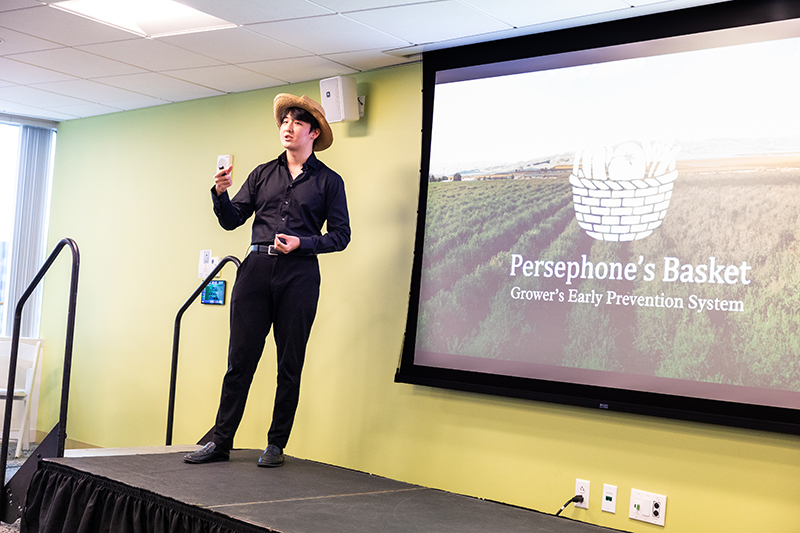
(Photo: Nic Czarnecki/Babson) 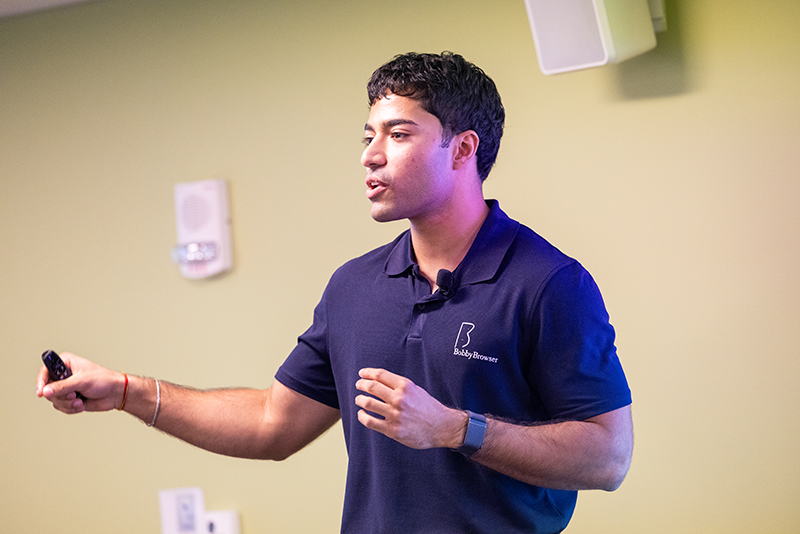
(Photo: Nic Czarnecki/Babson) 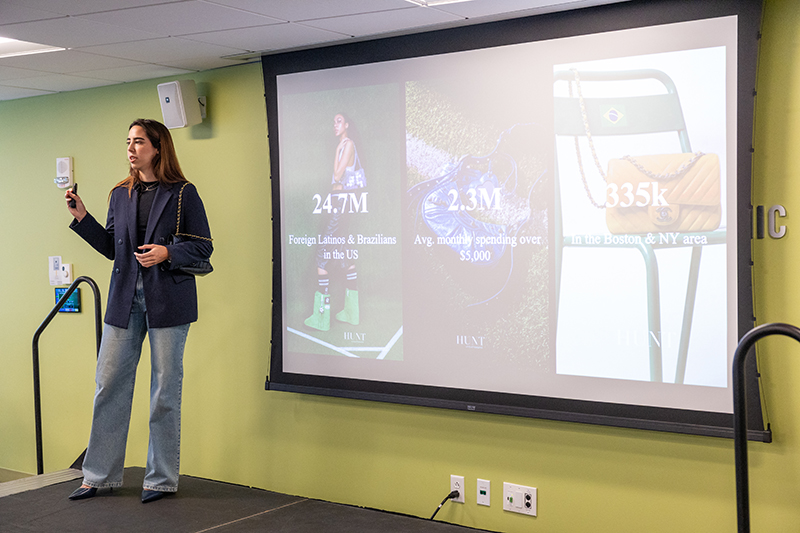
(Photo: Nic Czarnecki/Babson) 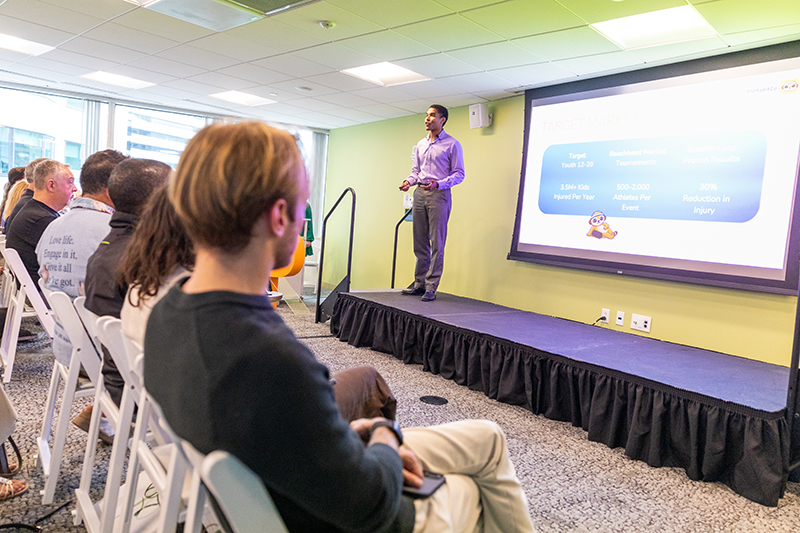
(Photo: Nic Czarnecki/Babson) 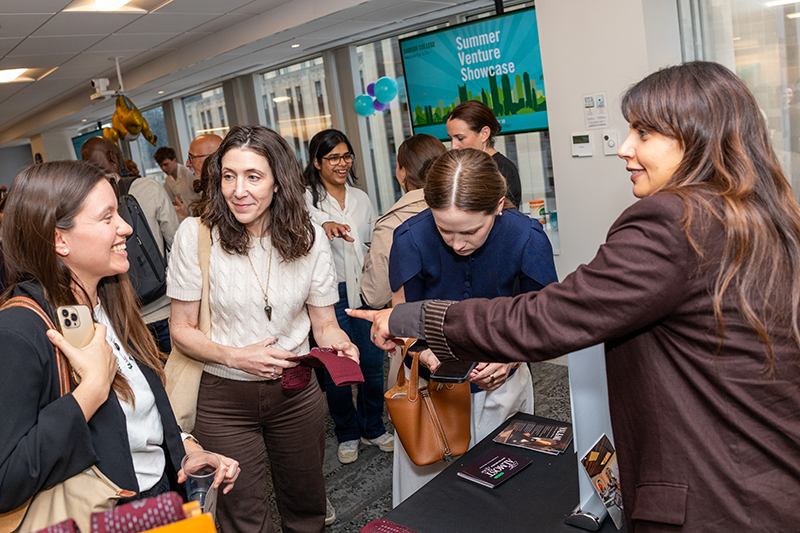
(Photo: Nic Czarnecki/Babson) 
(Photo: Nic Czarnecki/Babson) 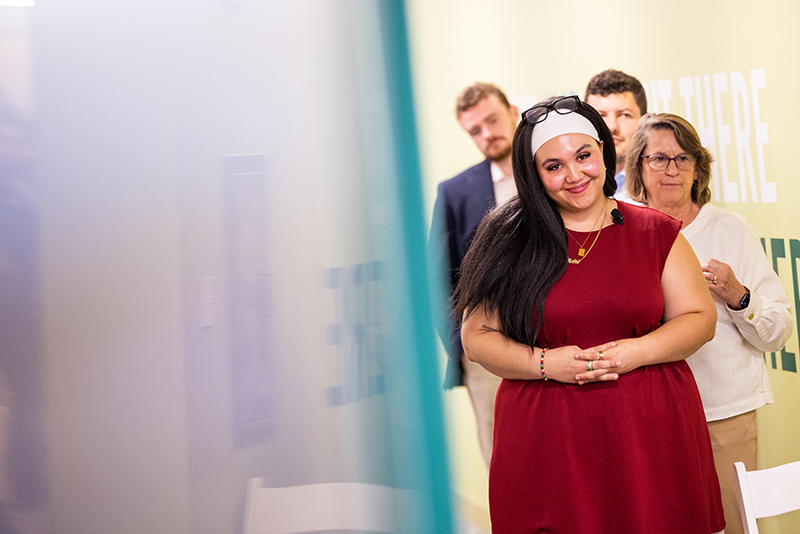
(Photo: Nic Czarnecki/Babson)
Posted in Community
Latest Stories
Posted in Community
Posted in Entrepreneurial Leadership

Posted in Community