Prime Day Breaks Records as Shoppers Race Against Tariff Uncertainty

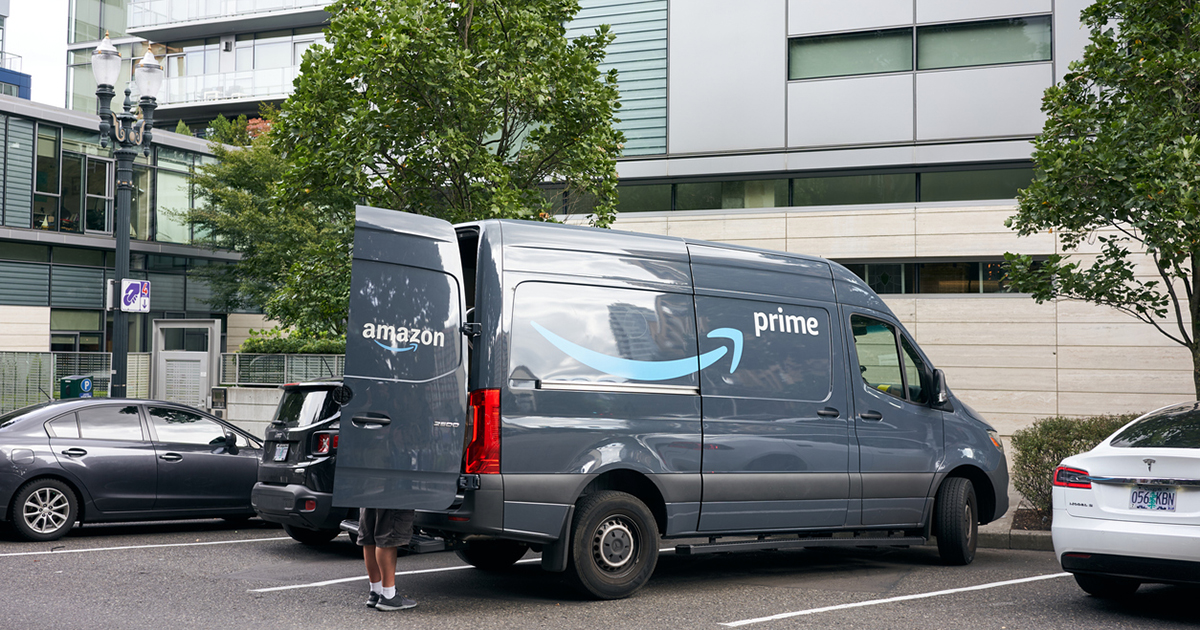
Bargain-hungry buyers flocked to Amazon searching for back-to-school steals and discounts on other essentials on Prime Day, creating an unexpected surge in online spending fueled as much by fear as by frugality, according to Babson Marketing Professor Lauren Beitelspacher, who studies retail trends.
U.S. online sales reached $24.1 billion during the July 8–11 stretch, according to Adobe Analytics, far surpassing projections and cementing Prime Day as the de facto summer version of Black Friday.
Prime Day sales rose more than 30% year –over year during the period, boosted by strong performances in office supplies, electronics, books, and household essentials. The increase in mobile shopping, now accounting for over half of all transactions, further underscored how seamless, high-speed deal-chasing has become second nature to shoppers.
But underneath the consumer enthusiasm, retail experts say something deeper is happening.
“People aren’t just looking for deals—they’re trying to outpace economic uncertainty,” said Beitelspacher, Associate Dean of Faculty Research and Ken and Nancy Major Romanzi Senior Term Chair in Marketing. “Fear around tariffs, rising prices, and product availability is pushing people to shop sooner, even if they’re unsure about how exactly those issues will impact them.”
Spreading the Wealth
The confusion is understandable. Evolving tariff policies have left many Americans—and even industry insiders—struggling to understand which goods are affected and when. For the average shopper, the ambiguity sparks concern that prices might go up, and some items could vanish. That’s created what Beitelspacher describes as a “big anxiety bubble” that retailers are now capitalizing on.
The strategic timing of Prime Day may have added to the urgency. With many schools returning in early August, the July sale aligned neatly with back-to-school shopping cycles, boosting demand for kids’ apparel, dorm room gear, and school supplies.
“People aren’t just looking for deals—they’re trying to outpace economic uncertainty.”
Lauren Beitelspacher, Ken and Nancy Major Romanzi Senior Term Chair in Marketing
Retailers such as Walmart, Target, and Best Buy joined the fray with rival events, turning what began in 2015 as a single-day Amazon promotion into a competitive, industry-wide discounting war. This year’s average apparel discount hit 24%—up from 20% last year—while electronics dropped 23% on average.
“What’s fascinating is how this fear-driven behavior mimics the panic-buying we saw at the beginning of COVID,” Beitelspacher said. “Consumers don’t want to be caught off guard again.”
Big Sales, Slim Margins
While the record-setting sales offer short-term wins for e-commerce platforms, Beitelspacher cautioned that the model may not be sustainable.
“These mega-events are training consumers to delay purchases until the next sale,” she said. “That’s great for shoppers, but it puts more pressure on retailers to discount deeper and earlier—sometimes beyond what they can afford.”
Some third-party merchants opted out of Prime Day altogether, citing shrinking margins caused by trade uncertainty. As one example, the makers of Bogg Bags, a popular brand, reportedly declined to participate because of slim profit potential amid rising costs. Some bags still made the sale, however, because resellers took part.
Still, in an economy rattled by shifting trade dynamics and lingering inflation, a temporary spike in sales may be the kind of optimism retailers need. Whether it’s back-to-school lists or backup blenders, customers are buying now—just in case.
Posted in Insights
Latest Stories

Posted in Community

Posted in Community