Why Grocery Store Loyalty Runs Deep: Market Basket’s Crisis Draws Emotional Response

In a passionate appeal to save New England grocery chain Market Basket, Methuen (Mass.) Mayor David Beauregard Jr. stepped into a decades-old family business feud last week—highlighting not just a political stance but also a deep emotional loyalty many consumers feel toward their local grocer.
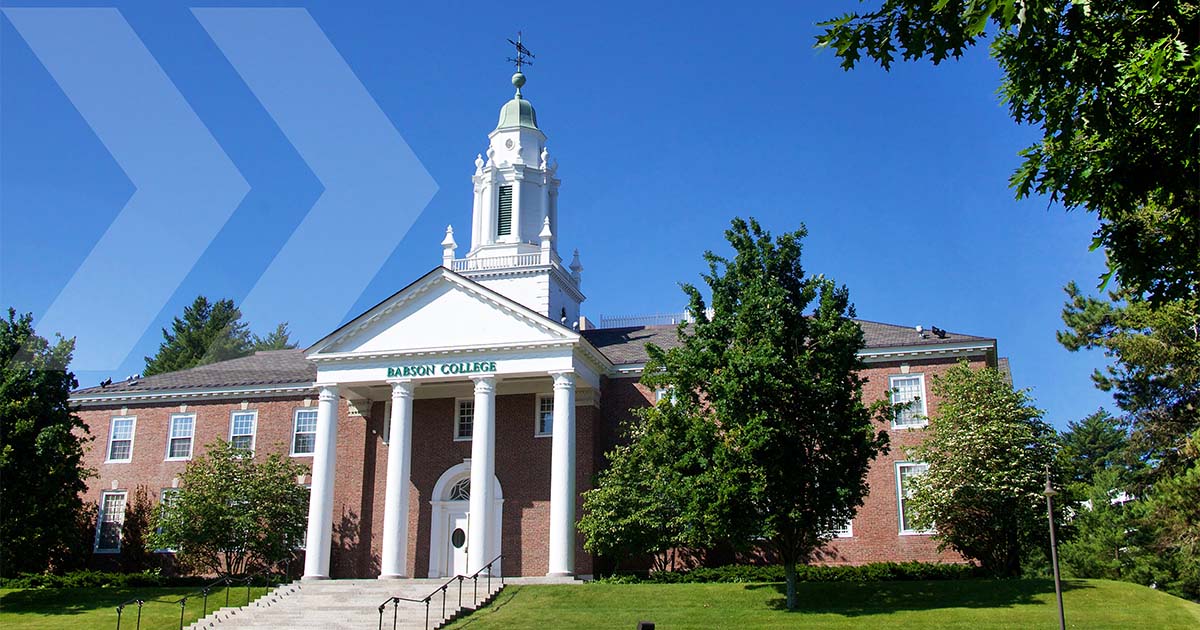
Loyalty to an understated, practical company such as a grocery store chain is about price and convenience, according to Babson College Marketing Professor Lauren Beitelspacher, but it’s also about trust, routine, and the comfort of the familiar.
“Consumers tend to develop brand loyalty when their experience with a product or service consistently exceeds expectations,” Beitelspacher explained. “Given the routine nature of grocery shopping, that loyalty can form relatively quickly.”
Routine Matters
It’s not just Market Basket that stirs deep allegiance. A survey conducted by the American Customer Satisfaction Index found that the Florida-based Publix has topped America’s favorite supermarket list for years, with fans creating a Reddit page, several Facebook pages, and even a song boasting about the famous “Pub Sub.”
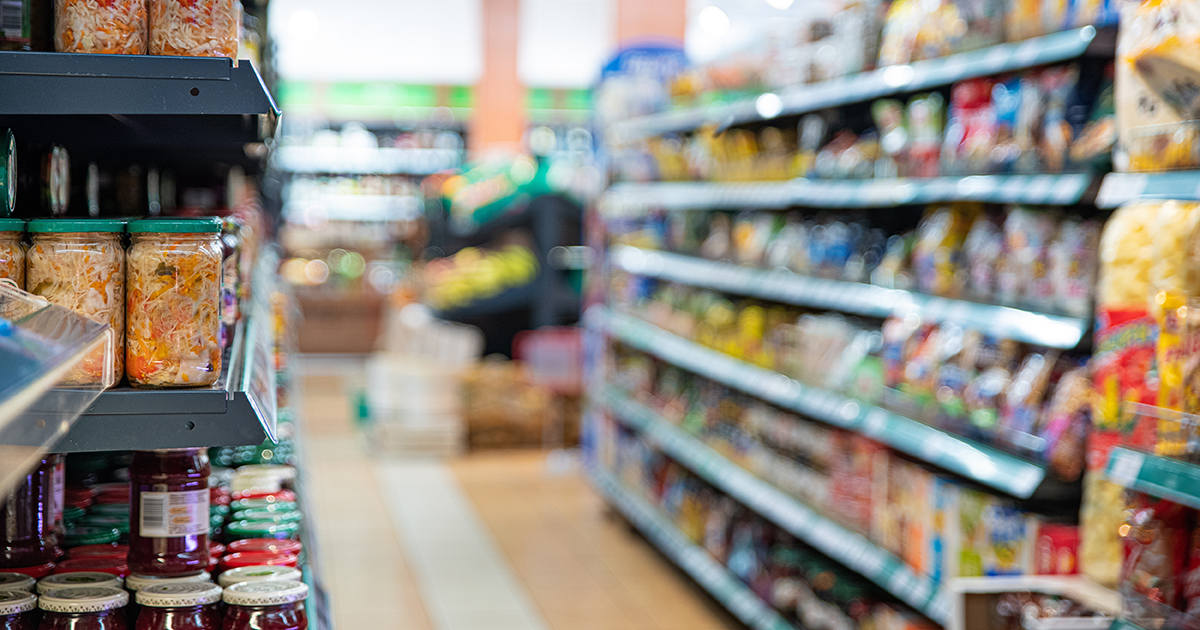
How do these supermarkets stir up such devotion? Unlike big-ticket items such as cars or electronics, said Beitelspacher, grocery shopping is a utilitarian task—something most people want to do efficiently and without surprises. That’s why even small changes, like a store layout shift, can feel disruptive.
“There’s nothing more upsetting than when the grocery store changes the layout,” said Beitelspacher, also the Ken and Nancy Major Romanzi Senior Term Chair in Marketing. “It makes the experience less efficient, and that’s frustrating.”
Localized Loyalty
Mayor Beauregard’s commitment was clear as he called Market Basket “a community lifeline,” last week, urging board members to “do the right thing,” and reconsider their late May decision to place longtime CEO Arthur T. Demoulas on leave.
“Market Basket is too important to Methuen—and to New England—to be treated like some corporate chessboard,” Beauregard wrote. “My city’s residents rely on those stores to feed their families. Many rely on those jobs to pay their bills. And what they see right now is a company drifting dangerously off course.”
The Merrimack Valley-born retailer built a reputation for low prices, consistency, and a no-frills shopping experience. But it also fostered a sense of community—something Beitelspacher says is rare in the grocery world.
“Consumers tend to develop brand loyalty when their experience with a product or service consistently exceeds expectations. Given the routine nature of grocery shopping, that loyalty can form relatively quickly.”
Lauren Beitelspacher, Babson marketing professor
“One thing that’s interesting about Market Basket is the longevity of the people who work there,” she said. “Even if we don’t consciously think about it, we notice that. If someone’s worked there for 20 years, we assume it must be a decent place to work.”
That perception of stability and fairness likely played a role during Market Basket’s last dustup in 2014, when the board was forced to rehire DeMoulas after a consumer boycott. Shoppers weren’t just loyal to the brand—they were loyal to the people behind it.
A Simple Choice
Still, not all grocery loyalty is rooted in nostalgia or ethics. Sometimes, it’s just about mental shortcuts. Beitelspacher notes that many people continue to buy the same brands and shop at the same stores they did as children.
“We’re so inundated with choices now that there are certain things we just don’t want to think about,” she said. “If it worked for our parents, we stick with it.”
While experiential stores such as Trader Joe’s and Wegmans offer a more hedonic shopping experience—full of discovery and novelty—traditional chains such as Market Basket thrive by delivering exactly what customers expect. And, in a world full of uncertainty, that kind of reliability can be priceless.
Posted in Insights
Latest Stories

Posted in Insights
Posted in Community

Posted in Community