Everybody Is Buying Disinfectant

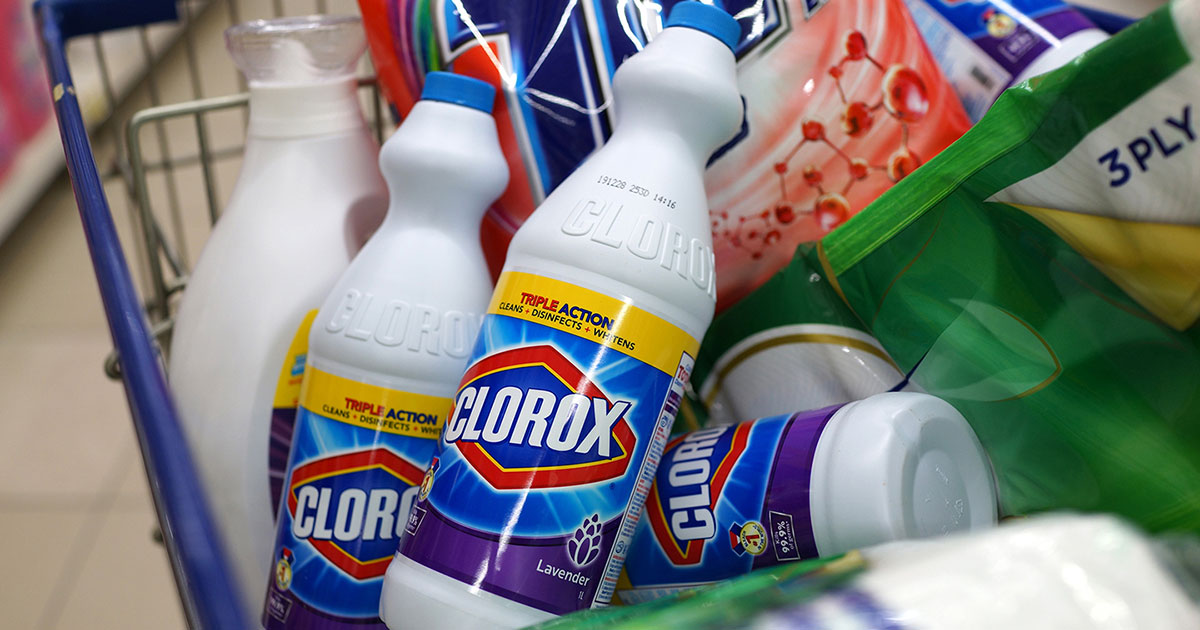
Since March, many businesses have pivoted, from meeting an increased demand to fighting to stay alive in what was recently declared a recession.
Clorox, for example, has experienced exponential growth over the last year, and especially as a result of the pandemic.
According to Diego Barral P’22, Clorox’s senior vice president and general manager of the International Division, the company has seen a 15% rise in earnings, and, in just one quarter, demand rose 500%.
Virtually and around the world, Babson graduate students had the unique opportunity to network with and engage Barral. As part of a BabsonDiscover webinar series, and a Babson Miami initiative with Professor Phil Kim, together they discussed how Clorox continues to serve its customers, and is planning ahead, in a time of such enormous demand.
Connecting, and Building Loyalty, with Customers
Because the pandemic has disrupted the global supply chain, and with products in more than 100 countries around the world, Clorox has worked to strike balance between local and global manufacturing in accordance with cost. It also has explored ways to remain connected with customers despite being physically separated, which is part of a larger company vision, and an informative lesson, of thinking beyond the product.
Clorox epitomized this approach by partnering with United Airlines and the Cleveland Clinic in an initiative to provide redefined cleaning and disinfection procedures for airport travelers, which includes equipping employees with hand sanitizer and supplying passengers with wipes.
“Innovation is at the core of what we do,” Barral said. “We want to think of innovation beyond product innovation, including how we work.”
Given the current state of the aviation and travel industries, Ricardo Aitken MBA’20 asked why Clorox chose to take a chance on a sector with its future potentially in flux.
Barral’s answer? Because United Airlines, due to a similar mission and beliefs, is the right partner.
“The priority is people that have the same values as us, are human-centric, and want more than just a cleaning product.”
Increased Needs, Increased Opportunity
A surge in e-commerce sales has led to additional challenges, a deterrent that has been mitigated by working together to maximize resources.
“It’s so vital to focus on the customer,” Kim said. “That’s what will generate value for your company.”
According to Barral, the future of online sales presents opportunity that will be fulfilled by innovation.
“How companies adapt to that in the near future will be critical to win in the marketplace,” he said.
Latest Stories
Posted in Community
Posted in Entrepreneurial Leadership, Outcomes

Posted in Community, Entrepreneurial Leadership, Outcomes