How Coca-Cola is Leading Women’s Empowerment in the Developing World
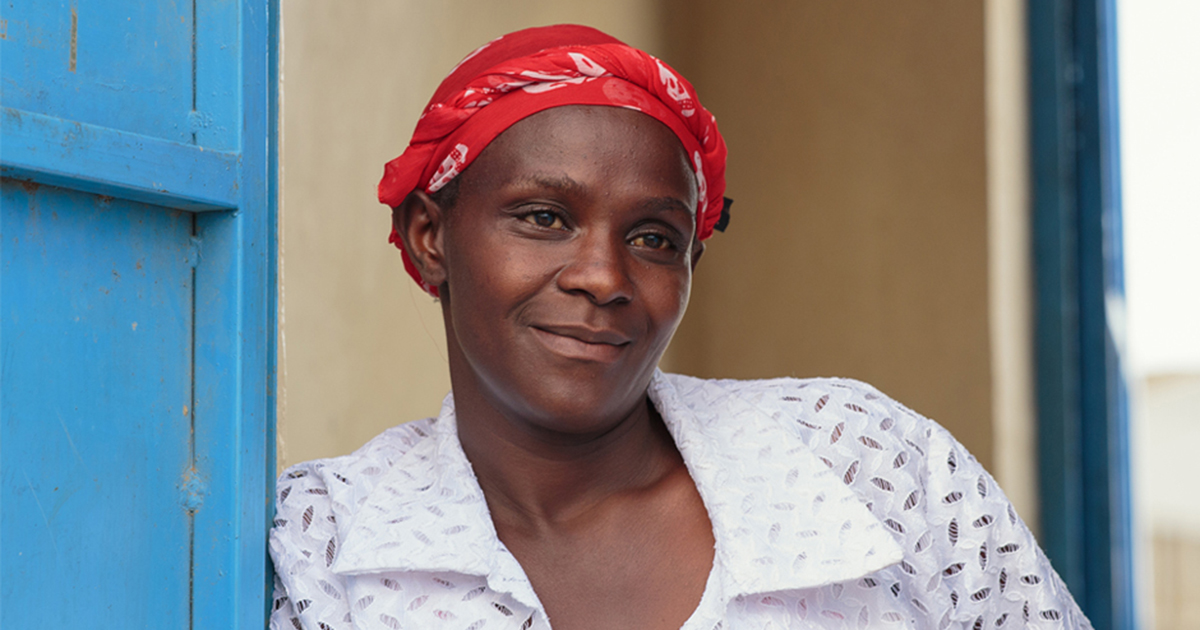
What does it mean to empower women?
Consult the dictionary, and you’ll find the word empower means to make someone stronger and more confident, particularly when it comes to their life and their rights. Consult the United Nations, and you’ll see the words equality, advocacy, education, and training on its list of seven Women’s Empowerment Principles.
And, for the organizations turning those principles into practice, women’s empowerment has taken many forms, including programs that pave the way for women’s leadership, create economic opportunity, and promote gender equality. For the Coca-Cola Company, women’s empowerment takes form in 5by20, a global initiative to enable the economic empowerment of 5 million women entrepreneurs across the company’s value chain by 2020.
Six years into the 10-year commitment, Coca-Cola has impacted the lives of 1.2 million women in 60 countries. With no signs of slowing down, the award-winning 5by20 initiative is setting a global standard for best practices in supporting women’s empowerment and helping improve the lives of women around the world.
Creating Shared Value
Coca-Cola’s focus on women’s empowerment didn’t begin with the 5by20 initiative; it had previously launched programs to accelerate the hiring and development of female talent within the company. While those initiatives focused on internal audiences, 5by20 takes a more external approach; the focus is instead on the female shop owners and managers that comprise the company’s value chain in emerging markets.
These women entrepreneurs faced substantial obstacles to launching, operating, and growing a business: a lack of fundamental business acumen and access to training; limited or no access to capital and assets; and lack of mentoring.
“5by20 focuses on equipping women with business skills, access to finance, and access to peer groups and networks to help them succeed in the marketplace,” said Charlotte Oades, Coca-Cola’s vice president and global director of Women’s Economic Empowerment. Aside from market success, the goal is for these programs to have positive impacts on community economic development and the social and psychological status of women in 5by20 regions. There’s benefit for the Coca-Cola Company, too; it needs skilled, savvy business women in the value chain to produce and supply ingredients, and to distribute, sell, and purchase its beverages.
Because the needs of an artisan in Brazil may vary from those of a shop owner in Tanzania, 5by20’s programs are customized; key partnerships with small, local NGOs in each region enable The Coca-Cola Company to co-design and implement programs that meet the specific needs of women in each region.
In Indonesia, where women traditionally prioritize their family and domestic responsibilities, 5by20’s Virtual Training Technology Pilot trained women in management and customer service via SMS. The training already has reduced obstacles for and impacted more than 30,000 women. In Kenya and Uganda, where women are heavily involved in agriculture (often as laborers), Project Nurture provided training, strengthened networks, and facilitated access to credit for women farmers. Nearly 16,000 women participated; those women saw a 140 percent average increase in income during the four-year program.
A Customized Approach for Kenyan Entrepreneurs
Coca Cola’s 5by20 isn’t the only initiative meant to empower and educate women entrepreneurs in developing nations.
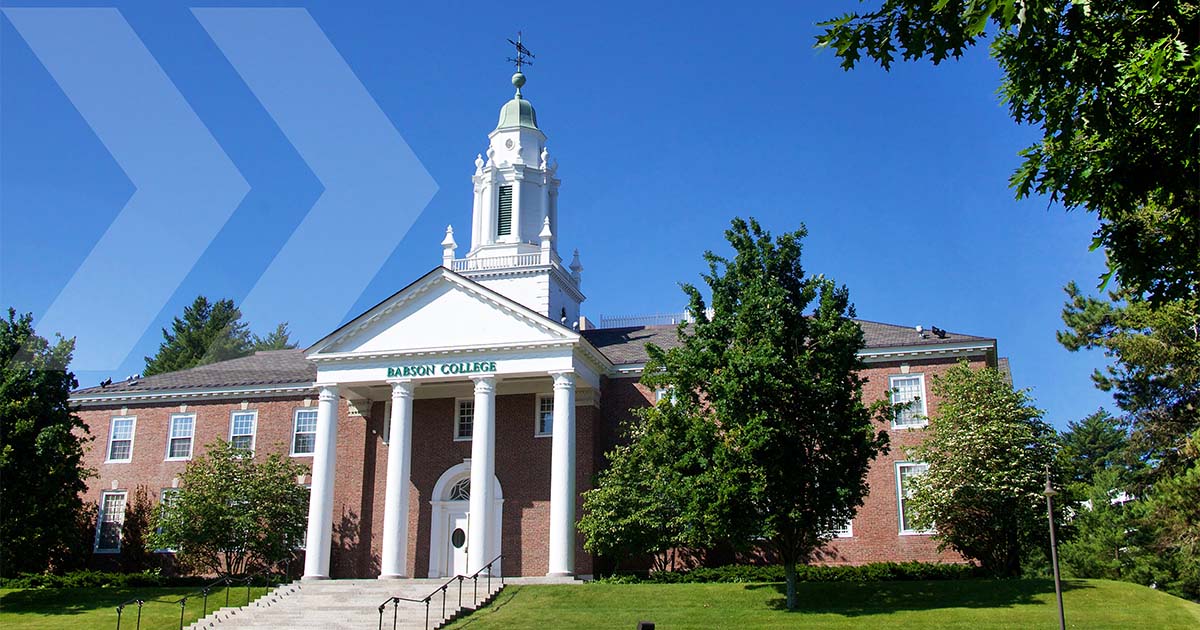
Though women represent more than 50 percent of the business sector in Kenya, women-run businesses are usually smaller, have less access to credit, a lower growth rate, and lower rate of reinvestment. As a result, Babson Executive and Enterprise Education established Launch and Grow: The Kenyan Women’s Entrepreneurial Leadership Program in 2016. Formed in collaboration with the Women for Africa Foundation and Banco Santander, Launch and Grow gives seasoned and emerging Kenyan female entrepreneurs—14 in the inaugural cohort—a learning experience designed to accelerate the growth and impact of their businesses.
The first class of participants left the Launch and Grow’s kickoff—one week of intensive training at Babson College in June—with lessons they could immediately apply to their businesses. “I can tell my story better,” said Alison Ngibuini, founder and CEO of Al Is On Production Ltd., a film and communications company. “I can understand my consumers better and I can deliver a product that meets their emotional needs.”
Susan Duffy, executive director of the Center for Women’s Entrepreneurial Leadership (CWEL) at Babson College, believes targeted, customizable educational initiatives such as Launch and Grow and 5by20 are more effective than more blanket, generalized approaches. “There’s nothing wrong with saying one size doesn’t fit all,” she said. “Programs should be customized. They can have a higher impact, and be replicated and scaled.”
Beyond the Numbers
The success of programs such as 5by20 can certainly be measured in numerical impact and 5by20 has plenty of impressive figures to boast. But, for those involved, success means more than numbers on a page in a report. It’s illustrated when 5by20 graduates have higher savings, invest in their children’s education and health, and have more confidence in themselves and their businesses.
“It’s very important to understand the ripple effect that happens when a women entrepreneur becomes economically empowered,” said Oades. “Women empowering other women and educating their children ensures that communities grow stronger.”
That ripple effect assures that 5by20 graduates—and their communities—will continue to grow and thrive, long after the 2020 deadline has passed. “We’re giving women tools and skills they can use for the rest of their lives and pass on to others in their community through role modeling and mentorship,” said Oades. “This is what sustainable development looks like.”
Latest Stories
Posted in Community

Posted in Community
Posted in Entrepreneurial Leadership