A Box of Babson Businesses
The term “asset” has different meanings to different people. Some may consider the word purely from a financial perspective, such as homes, cars, or savings. To others, it could mean anything of value.
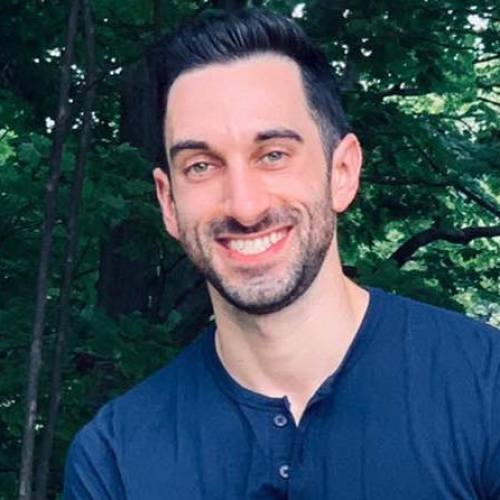
Spoten founder and CEO Ivan Sene MBA’21, though, defines the word “asset” in more personal terms. To him, it’s everyone who makes up the Babson College community.
“The chance of networking with anyone in the world, to call someone and have the doors open, to do business or to work in another company,” Sene said. “The most important thing we all carry is being Babson proud.”
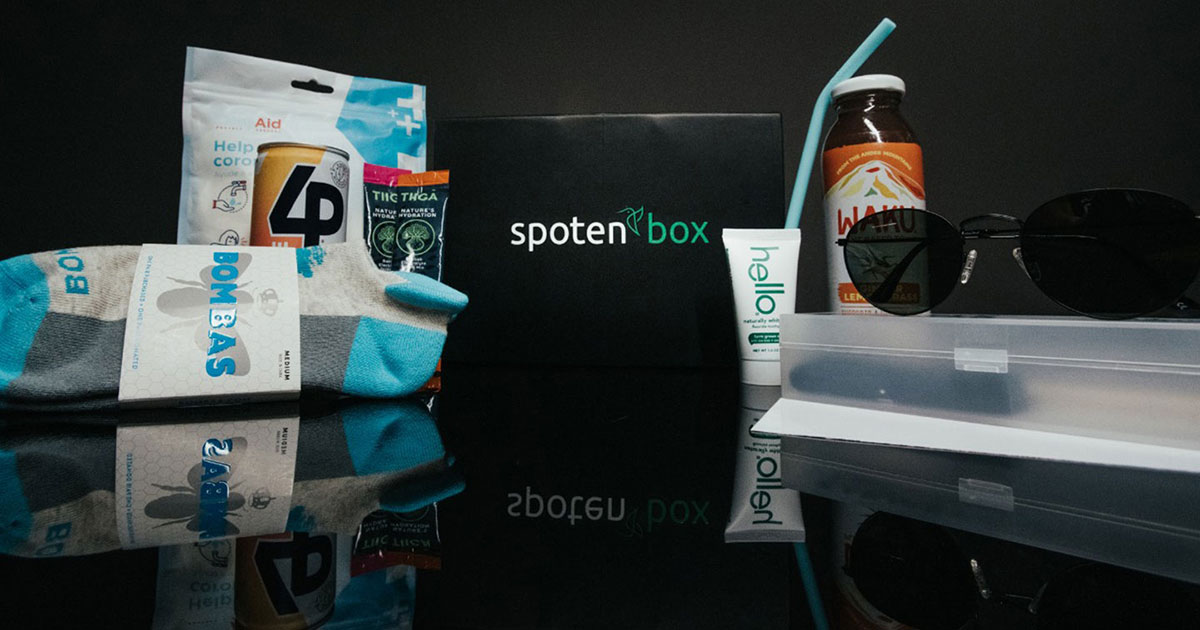
It’s this community that has played a vital role in Sene’s pandemic-influenced business pivot from his data-management company, Spoten, to Spoten Box, which sells boxes stocked with items and vouchers from and to Babson alumni-founded businesses.
A Team Effort
Sene worked a steady job at Shell in Brazil for several years and was on a career path to a management role. And, yet, he wasn’t happy.
It was a career as an entrepreneur that he craved, and at Babson, a fulfilling sense of community he has since found.
“The reason I selected Babson was because I knew after these two years I was going to become an entrepreneur,” Sene said. “I take pride in that.”
Together with Mohammed Alnaimi MBA’21, Joao Alves MSEL’20, and Leonardo Kim ’20, these students have partnered with 17 Babson alumni-founded businesses, from high-profile companies such as Bombas, to plant-based tonic businesses such as Waku, and sustainability-inspired ventures such as UNfabricated.
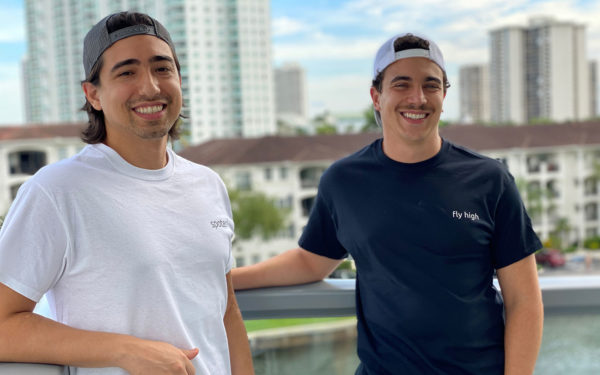
Ivan Sene MBA’21 and Joao Alves MSEL’20.
“This is not an individual’s work,” Sene said. “This is Entrepreneurial Thought & Action® in practice. … These opportunities are never coming back again.”
Alnaimi added: “Me being a Babson MBA, with another Babson MBA, working together and applying the stuff we learned at school, to not just impact our career but also people around us, that’s what inspired me the most to be part of this company.”
The first Spoten Box was purchased on October 22. Since then, the company has sold more than 150 boxes. “We’re happy with that,” Sene said. “The sense of gratitude is what empowers us to keep going.”
Making the Most of this Model
Spoten Box’s mission goes beyond profitability. In addition to finding community, Sene now is seeking to build it by encouraging and inspiring future Babson College entrepreneurs to create businesses of their own that can be featured alongside the ones partnering with Spoten Box. These connections, Alnaimi said, help build relationships among entrepreneurs.
In this next normal, the company plans to continue to explore innovative ideas, some under consideration include developing a subscription-box service to the Babson community, or perhaps additional institutions.
“We can leverage this same business model throughout America, maybe even the world,” Sene said. “The most important thing now is to allow everyone in the community to fly high and be a Babson hero.”
Are you interested in being featured in the next version of the Box? Email Sene directly at isene1@babson.edu.
Posted in Community
Latest Stories
Posted in Community, Entrepreneurial Leadership

Posted in Community, Entrepreneurial Leadership, Insights

Posted in Insights