A Playwright Comes to Campus: Reflecting on Creativity, Arts, and the Power of Teachers
Teachers can turn up anywhere.
Yes, they can be found in classrooms, from kindergarten to college, but they also take many other forms. Parents to pets to strangers on the street—they all might have a lesson to impart.
“Every stranger you meet might teach you something very fascinating,” says Sarah Ruhl, an award-winning playwright and author.
Ruhl wrote a book, Lessons from My Teachers: From Preschool to the Present, that reflects on the many teachers who have drifted through her life. “I have always been deeply moved by the relationship between a teacher and student,” Ruhl says.
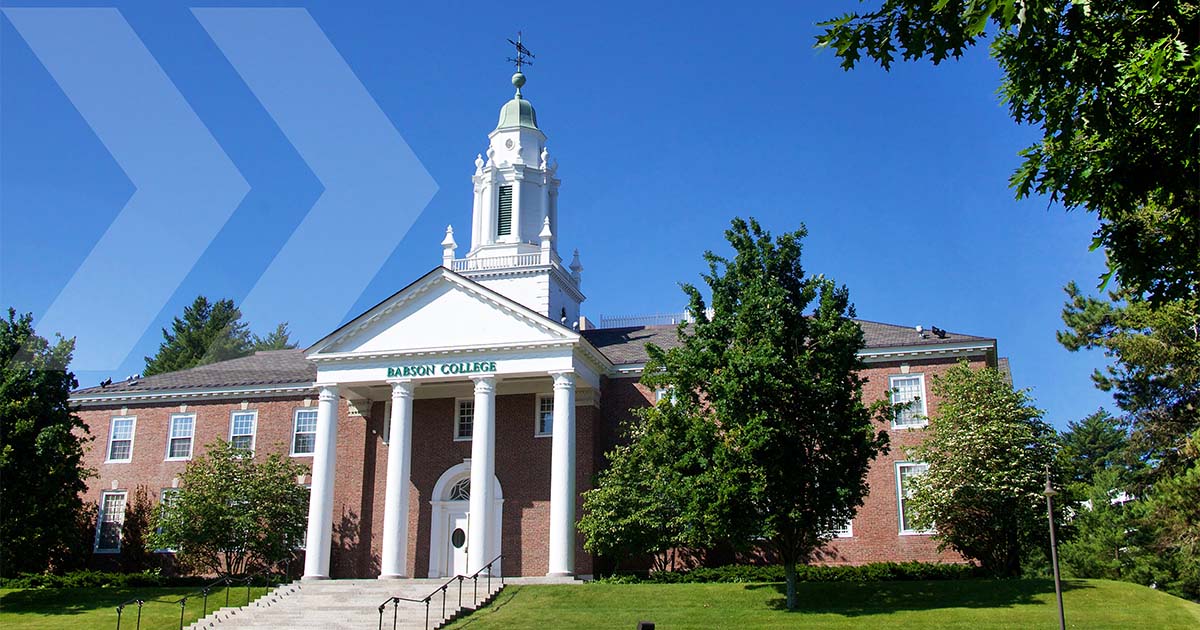
On Tuesday, October 6, Ruhl will be visiting the campus of Babson College to discuss her book, which students have read in Foundations of Critical Inquiry, a required course for all undergraduates. Ruhl also will be meeting the cast and crew of The Empty Space Theater, better known as TEST, a Babson theater company that is staging Ruhl’s Melancholy Play later in October.
Playwright and author Sarah Ruhl is giving a talk, followed by a book signing, at 7 p.m. Tuesday, October 6 at Babson’s Sorenson Center for the Arts. Register here.
As a teacher herself, Ruhl enjoys talking to students and making campus visits. She serves as a professor in the practice of playwriting at Yale University. “I love talking to young people,” says Ruhl, whose plays have been nominated twice for the Pulitzer Prize for Drama, as well as for a Tony Award for Best Play. “Seeing young minds’ enthusiasm is very moving to me.”
Before her visit to Babson, Ruhl took time for an interview, discussing the teachers who have influenced her, the feeding of creativity, and the similarities between artists and entrepreneurs, a fitting topic for Babson and its students. The College may be a business school with a strong entrepreneurial spirit, but the arts play a rich role at the school.
“Sarah Ruhl’s visit signals Babson’s commitment to the arts and creativity,” says Beth Wynstra, associate professor of English and TEST’s artistic director, “and it gives our students the chance to learn from a truly multifaceted artist.”
Calling from New York
For her interview, Ruhl is reached by phone a couple of weeks before her campus visit. As she walks through the streets of Midtown Manhattan, she looks for a quiet place to chat and ducks into the lobby of a Best Buy on 6th Avenue.
The subdued lobby does the trick, though it’s a rather random spot for a conversation. “It is the most unpoetic place you could imagine,” says Ruhl, who lives in Brooklyn with her family.
“These are kids trying to make something out of nothing. That is certainly what the writer does staring at the blank page.”
Sarah Ruhl, playwright and author
Ruhl’s plays, which include The Clean House, Eurydice, and In the Next Room, or the Vibrator Play, have been produced on Broadway, off-Broadway, and around the world and have been translated into 14 languages. A winner of the MacArthur Fellowship, she is also a poet, essayist, and author, having published poetry collections, a memoir, and a book filled with correspondences from a gifted former student, Max Ritvo, who lost his life to cancer at a young age.
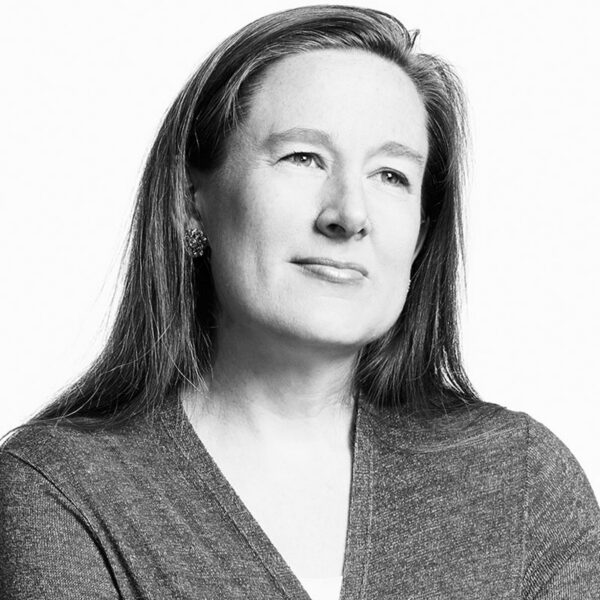
When thinking of the teachers who have influenced and inspired her, Ruhl mentions students such as Ritvo. She may be a professor and a successful playwright, but Ruhl learns a lot from the young people in her classroom. “Your greatest students are your greatest teachers,” she says. “My students have the most amazing, diverse points of view.”
Another teacher from her life that Ruhl mentions is her mother, actress Kathleen Ruhl. The playwright says her mother is always reading, learning, and listening. “She is one of the most curious people I know,” Ruhl says. “Every time I call her, she says she’s reading the most interesting book.”
Ruhl encourages people to contact teachers who were important to them in their lives. Despite the instrumental role they play, teachers often don’t hear from their former students.
There’s no time to waste. Since she wrote Lessons from My Teachers, which came out last year, three of the teachers mentioned in it have passed away. “If there’s one takeaway from the book,” Ruhl says, “it’s that I hope people write letters to their teachers.”
Art and Entrepreneurship
Ruhl will have a busy visit to Babson on October 6. She’s stopping by a Foundations of Critical Inquiry class, attending a faculty and staff reception, and giving a talk (followed by a book signing) in the Sorenson Center for the Arts. Her talk, starting at 7 p.m., is co-presented by Babson Arts and the Arts and Humanities Division.
Ruhl is also having dinner with the cast and crew of Melancholy Play. Even though she has experienced many successes, Ruhl still feels grateful whenever one of her plays is produced, particularly by young people, and she often meets with productions if they reach out to her. “I feel a responsibility to say yes to give back when I can,” she says. “I feel incredibly honored.”
To visit Babson means that Ruhl will find herself at a business school filled with young entrepreneurs. The entrepreneurial spirit, though, isn’t too far removed from the artistic one, she says. Entrepreneurs and artists both need creativity to dream up their ideas, after all, and they must both work with collaborators to make their visions happen.
“For many Babson students, the arts aren’t a hobby or a side interest. They’re integral to how they study business and entrepreneurship.”
Beth Wynstra, associate professor of English
“These are kids trying to make something out of nothing,” Ruhl says. “That is certainly what the writer does staring at the blank page.” Arts organizations also are in search of business knowledge. “In the theater, we desperately need smart business minds to help with marketing and finding new ways to reach audiences,” she says.
Wynstra says that the blending of arts and business is already happening at Babson. “For many Babson students, the arts aren’t a hobby or a side interest,” she says. “They’re integral to how they study business and entrepreneurship. More and more, I’m seeing students arrive eager to participate in and lead arts initiatives on campus.”
Whatever students’ path, Ruhl hopes they stay inspired. In her life, Ruhl keeps her creativity flowing and firing by walking, reading, drinking tea, recalling her dreams, talking to strangers, and generally staying open to ideas that come her way. She wishes that same openness for others.
“I hope their inspiration runs from the clear well, that they keep drawing from it, and that they pass it along to the next generation,” Ruhl says.
Posted in Community
Latest Stories
Posted in Community
Posted in Entrepreneurial Leadership, Outcomes