Marcelo Claure on Dreaming Big and Working Hard
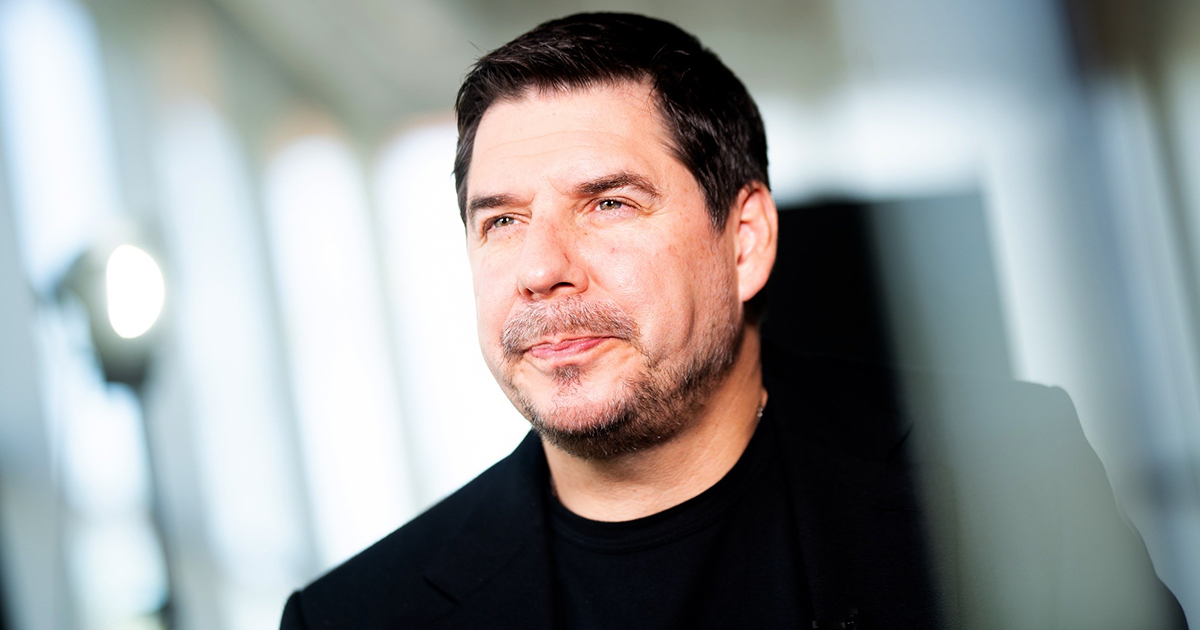
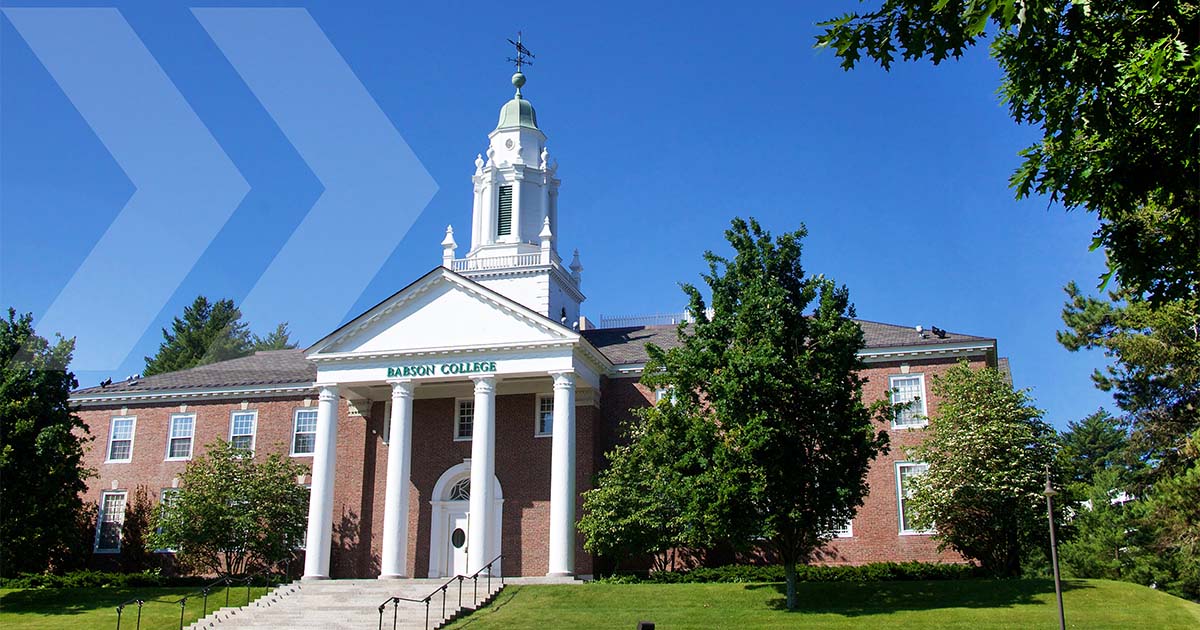
Marcelo Claure hasn’t decided what to say yet at Babson College’s graduate Commencement ceremony, where he will address the Class of 2022 and receive an Honorary Doctorate of Laws. He’ll probably go on instinct, which has served him well in a remarkable entrepreneurial career.
He is chairman and CEO of Claure Capital, a multibillion-dollar global investment firm focused on public and private companies in technology, media, and other high-growth sectors, with a focus on artificial intelligence. He personifies Babson’s entrepreneurial mindset: flexible, goal-oriented, and determined to make a difference with the means at hand.
Consider his nomadic childhood. The son of a United Nations diplomat, Claure was born in Guatemala and grew up in Bolivia, the Dominican Republic, and Morocco. Constantly adapting to new surroundings, self-reliance mattered.
“I wanted to run my own business from a young age,” he says.
From Soccer to Cell Phones
As a child, Claure sold his mom’s secondhand clothing for extra pocket change. While studying economics and finance at Bentley University, he launched a successful business trading frequent-flyer miles.
Appropriately, his first big break happened on a plane: After graduating in 1993, he flew to Bolivia and happened to sit next to Guido Loayza, who ran the country’s national soccer team. Loayza was determined to qualify the team for the World Cup for the first time since 1950. They got to talking, and he hired Claure—a devoted soccer fan—to work alongside him. The team made the cut, qualifying for the 1994 World Cup in the United States, which was a massive point of national pride.
“I was blessed. It taught me that anything was possible,” he says. “You can dream big. In many cases, we’re only limited by the size of the dream we put in front of us.”
He hasn’t touched down since. Back in Boston, Claure interviewed at Merrill Lynch. The interviewer asked for his cell phone number. Just one problem: He didn’t have a phone. So, he walked into a store along Route 9 to find one and left having made an offer to buy the shop. Within a year, his Bell Atlantic dealership, USA Wireless, grew to 134 stores.
“We went from one store to many and changed the way cell phones were being distributed to people’s homes,” says Claure, who mimicked pizza delivery companies and began offering cellphone delivery to consumers within 30 minutes.
A Personal and Historic Milestone
After a stint working in a more traditional environment, “I realized I wasn’t good at working for anyone else. I packed my bags, drove to Miami, and started Brightstar,” he says, where he began selling phones from the back of his car, a throwback to his days selling his mom’s clothes as a child in South America.
This was a game changer: Brightstar became the world’s largest global wireless distribution and services company. With operations in more than 50 countries and revenues exceeding $10 billion, it was also the largest Hispanic-owned business in U.S. history.
“I was blessed. It taught me that anything was possible. You can dream big. In many cases, we’re only limited by the size of the dream we put in front of us.”
Marcelo Claure, chairman and CEO of Claure Capital
As an immigrant, this feat was a personal milestone.
“As a Bolivian, I wanted to prove to my country that I was capable of being successful,” he says. “Millions of Hispanics start businesses in the United States. To be able to say it remains the largest one ever in U.S. history founded by a Hispanic was very important to me.”
He credits his success to big dreams and an unflappable work ethic.
“Ninety percent of businesses fail. If you want to be part of the 10 percent that make it, or part of that .001 percent who are able to change the world or able to create thousands of jobs, you (need to) outwork everybody,” he says.
Fueling Entrepreneurship
That entrepreneurial mindset has served him well throughout his career. In 2014, Claure was recruited by Masayoshi Son, founder and CEO of SoftBank Group, to lead the iconic turnaround of Sprint, a company on the verge of bankruptcy, as CEO and later executive chairman. Claure’s leadership delivered the best financial results in Sprint’s 120-year history, followed by a $195 billion merger with T-Mobile.
Marcelo Claure previously was the CEO of SoftBank Group International and COO of SoftBank Group, the world’s largest technology investment company, and the chairman and CEO of Sprint.
With a passion for entrepreneurship, after being appointed as COO of SoftBank Group, he was part of the team that launched the $100 billion Vision Fund, the largest venture capital fund ever. Then, as CEO of SoftBank Group International, he launched the $8 billion SoftBank Latin America Fund, completely transforming entrepreneurship in the region as the largest VC investor. He also founded and led the $100 million Opportunity Fund, dedicated to underrepresented Black and Hispanic founders. In 2019, Claure was appointed to lead the turnaround at WeWork, a company burning billions in cash and in the midst of a failed IPO. Despite a global pandemic that fundamentally changed the nature of work, Claure, alongside CEO Sandeep Mathrani, helped put the company on a path to profitability, taking it public in October 2021.
Despite an incredibly successful career, Claure hasn’t lost sight of his roots: Still a soccer lover, he now owns Club Bolívar, Bolivia’s largest professional team. “I want to provide hope to my country,” he says.
He also has a passion for the arts, and serves on the board of Carnegie Hall, which he calls “much more than a concert hall. It’s an educational institution, disseminating music to hundreds of thousands of kids around the world.”
He has a special fondness for his own children, ranging in age from 3 to 26.
“My biggest passion is my kids,” he says. That, and fueling future entrepreneurs as an investor.
“There’s never been a better time to be an entrepreneur,” he says. “I’m having a blast.”
Posted in Community
Latest Stories


Posted in Community